




Key Takeaways
Follow a seasonal maintenance plan to protect your investment.
Focus on the systems most affected by Bend's climate.
Stay organized and communicate with tenants.
Are you tired of unexpected, costly repair bills popping up just because the seasons have changed in Bend? As a rental property owner, you already know that Central Oregon weather can be notoriously unpredictable, and letting your investment fall victim to frozen pipes or a failing HVAC system is simply bad for business.
Staying ahead of the curve always requires a solid, proactive game plan before the snow flies or the summer heat kicks in. If you want to protect your bottom line without lifting a finger, let the dedicated team at Arise Real Estate Management handle the heavy lifting for your valuable rental property today.
The Landlord's Seasonal Survival Guide: Eight Maintenance Essentials
Keeping a seasonal maintenance checklist on hand is the smartest way to protect your rental property from Bend's unpredictable weather. Rather than scrambling when the seasons change, you need a reliable system. Here are the eight key elements you should always have on your fingertips:
1. Service HVAC and Plumbing Systems
You never want a tenant to discover a broken furnace on the first freezing night of the year.
Schedule biannual tune-ups for your heating and cooling systems to keep them running efficiently and to catch minor mechanical issues before they turn into expensive replacements.
At the same time, flush the water heater to remove sediment buildup and inspect all exposed pipes for signs of corrosion or tiny leaks that could burst during a cold snap.
2. Inspect and Refresh Exterior Spaces
The exterior of your property takes a beating from intense UV rays in the summer and heavy snow in the winter. Walk the perimeter to look for peeling paint, rotting wood, or cracked siding.

Pressure washing the driveways and patios not only keeps the property looking professional for current and future tenants, but it also prevents slippery mold buildup that could become a major liability issue.
3. Check Roofing and Gutters
A compromised roof is a fast track to catastrophic interior water damage. You should visually inspect the shingles for curling, cracking, or missing pieces, paying close attention to the flashing around vents and chimneys.
Following that, ensure the gutters are completely clear of pine needles and debris so melting snow and heavy rain can flow freely away from your foundation.
4. Evaluate Weatherstripping and Insulation
Energy efficiency directly impacts your operating costs and keeps your tenants comfortable enough to renew their leases. Check the seals around all exterior doors and windows, replacing any weatherstripping that has worn down or lost its elasticity.
You should also verify that the attic insulation hasn't shifted or thinned out, as proper attic ventilation and insulation work together to prevent ice dams from forming on the roof.
5. Test Safety Devices and Alarms
This is a non-negotiable liability shield for every landlord. Replace the batteries in smoke and carbon monoxide detectors at least twice a year, and test each unit to confirm it is functioning properly.

Make it a standard practice to document these tests in writing and send a brief notice to your tenants reminding them to report any devices that are chirping or malfunctioning between your visits.
6. Assess Landscaping and Drainage
Water pooling near your foundation will inevitably lead to costly structural headaches. Observe the yard during a heavy rain or rapid snowmelt to ensure the grading naturally slopes away from the building to prevent water damage.
Trim back tree branches that hang over the roof or scrape against the siding, and instruct your tenants on proper watering practices to avoid saturating the soil around the perimeter.
7. Inspect Decking and Outdoor Structures
If you are going to carry out any renovations on the property, wooden structures like decks, fences, and balconies are a great place to start. These structures require regular upkeep to remain safe and compliant with local housing codes.
Probe the wood with a screwdriver to find soft spots indicating hidden rot, and physically check the handrails to ensure they are sturdy. Reapply a protective stain or sealant as needed to shield the wood from moisture penetration and prevent premature splitting.
8. Document Everything and Communicate with Tenants
The best maintenance plan falls apart without proper record-keeping. Take timestamped photos before and after any seasonal work is completed, and securely file all contractor receipts and inspection reports.
Pair this documentation with clear, friendly communication to your tenants, letting them know exactly what is being done and how they can help by reporting small issues before they become big problems.
Why Central Oregon's Climate Creates Unique Maintenance Demands for Landlords
Owning a rental in the high desert means you are constantly battling extreme temperature swings and distinct seasonal weather patterns.
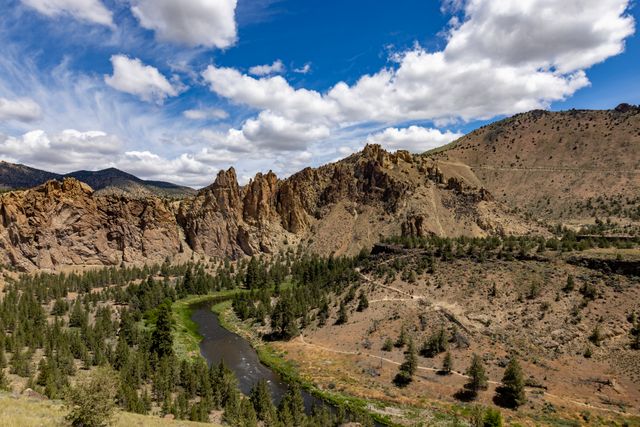
Understanding exactly how these elements impact your building is crucial for avoiding costly surprises.
Fall
You must prioritize roof and gutter prep to handle impending snow loads, schedule a professional HVAC service to guarantee reliable heating, and apply fresh weatherstripping to seal your property against harsh Bend winters.
Winter
Focus entirely on pipe freeze prevention by insulating exposed plumbing, clearly define snow removal responsibilities in your lease agreement to avoid liability issues, and conduct routine heating system checks to ensure tenant safety during subzero temperatures.
Spring
Conduct a thorough post-winter inspection to identify hidden moisture damage, execute necessary exterior repairs before the dry season begins, and carefully manage landscaping and irrigation startup to promote healthy yard drainage.
Summer
Prepare for the regional wildfire smoke season by replacing HVAC filters more frequently, perform cooling system checks to combat the high desert heat, and complete exterior touch-ups while the weather is completely dry.
Bottom Line
We know exactly how demanding it is to stay ahead of Bend's shifting weather. That is why we at Arise Real Estate Management for rental property owners are here to step in.
We expertly handle the entire seasonal maintenance process for you, from scheduling routine HVAC inspections to coordinating reliable snow removal.
Reach out to the dedicated team at Arise Real Estate Management today to discuss your options. We will gladly help you determine exactly what management approach is right for you.