

Key Takeaways
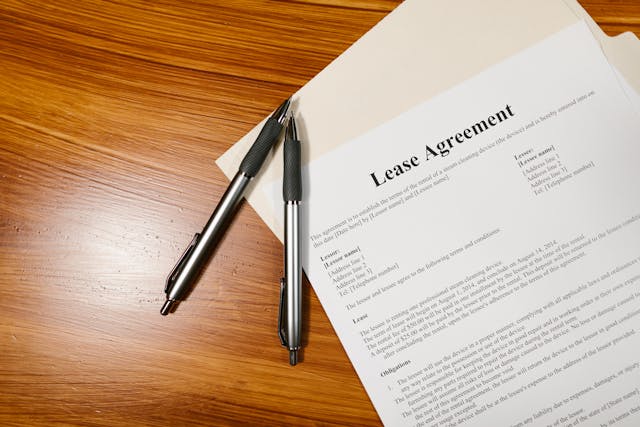
A comprehensive Oregon lease protects landlords by clearly defining tenant and property details, lease duration, financial terms, and rent control compliance.
Modern leases must address tenant privacy, access rights, and mandatory disclosures, including smoking policies, safety devices, flood zones, and utility allocations.
Clearly outlining maintenance responsibilities and entry procedures helps prevent disputes, ensures legal compliance, and promotes positive landlord-tenant relationships.
Filling a newly acquired duplex in Eugene with tenants can feel like a smooth process, especially when everything seems to fall into place quickly.
However, skipping key details in a generic lease can create serious problems later, such as tenants smoking indoors without clear rules in writing. Without a properly tailored agreement that aligns with Oregon requirements, enforcing boundaries becomes difficult and can leave the landlord dealing with damage and limited legal options.
Managing rental properties in the Beaver State requires more than just a handshake and a basic document.
To protect your investment and maintain a positive relationship with your tenants, you need a lease that is both comprehensive and compliant with the latest 2026 regulations. Arise Real Estate Management put together this article to help you navigate the essential components of a solid Oregon lease agreement.
Essential Identifying Information and Terms
The foundation of any lease is the clear identification of who is involved and what property is being discussed.
Every lease must include the full legal names of all adult tenants and the landlord or the property manager. This ensures that every occupant is legally responsible for the terms of the agreement. You must also provide a precise description of the premises, including the full street address and unit number if applicable.
Beyond names and addresses, you must clearly define the duration of the tenancy. Oregon landlords typically choose between a fixed-term lease and a month-to-month agreement. It is important to note that Oregon has unique laws regarding lease renewals.

For example, if a tenant has lived in a property for more than a year, no-cause evictions are generally prohibited, and the lease may automatically convert to month-to-month unless specific actions are taken.
Financial Clarity and Rent Control Compliance
A well-structured lease is one of the best tools for creating smooth financial expectations between landlords and tenants. Clearly outlining rent amount, due date, payment methods, and late payment fees helps eliminate confusion and keeps everything running predictably from the start.
In Oregon, staying aligned with statewide rent control is also essential, with 2026 rent increases generally capped at 9.5%, helping maintain fairness and stability for both parties.
Late fees and deposits should also be clearly defined to avoid misunderstandings later. Oregon law requires a minimum four-day grace period before late fees can be charged, and the lease should specify exactly how those fees are calculated and when they apply.
It’s also important to document the security deposit amount, where it is held, and follow the 31-day requirement for returning the deposit or providing an itemized deduction list after the tenancy ends.
Privacy and Access Requirements
Recent updates to Oregon law place a stronger emphasis on protecting tenant privacy and ensuring fair access options. Landlords are required to safeguard sensitive tenant information, such as Social Security numbers, medical records, and income details, and keep it strictly confidential.
Any disclosure without written consent can carry significant penalties, making it essential for modern leases to clearly outline how personal data is stored and protected.

At the same time, flexibility in how tenants interact with their housing systems are reinforced. Landlords can no longer require electronic-only payments and must offer alternative methods, such as checks or other reasonable options, upon written request.
In addition, when digital access tools like smart locks or apps are used, tenants must also be provided with a physical backup option, ensuring secure and equal access for everyone.
Mandatory Oregon Disclosures
One of the most complex aspects of Oregon rental law is the requirement for specific disclosures. Failing to include these can result in financial penalties or the inability to enforce certain rules.
Every solid Oregon lease should include your smoking policy outlining whether smoking is prohibited on the entire premises, allowed in specific areas, or allowed everywhere. It should also include a disclosure of the presence of functioning carbon monoxide alarms and provide instructions for testing them.
If the property is located within a 100-year flood plain, this must be disclosed to the tenant in writing. Additionally, if a tenant is paying for a utility that also serves a common area or another unit, the method for dividing that cost must be clearly explained.
Maintenance Responsibilities and Right of Entry
A well-drafted lease prevents confusion over who is responsible for specific repairs. While Oregon law requires landlords to maintain a habitable environment, meaning working plumbing, heat, and a weatherproof roof, the lease can specify tenant responsibilities for minor maintenance like lawn care or light bulb replacement.

You should also clearly outline the rules for entering the property. In non-emergency situations, Oregon law requires you to give the tenant at least 24 hours of notice before entering. Including this in the lease ensures the tenant understands their right to privacy while acknowledging your right to inspect and maintain the property.
Bottom Line
Creating a solid lease agreement is the most important step in protecting your Oregon rental investment. By including clear financial terms and detailing maintenance expectations, you set a professional tone for the entire tenancy.
A strong agreement reduces the risk of expensive legal disputes and ensures that both you and your tenants understand your rights and obligations from day one.
Keeping up with the ever-changing landlord-tenant laws in Oregon can be a full-time job. Arise Real Estate Management specializes in navigating these local regulations to ensure your lease agreements are always up to date and legally sound.
From drafting custom documents to managing tenant relations and property maintenance, we provide the expertise needed to run a successful rental business.
Contact Arise Real Estate Management today to learn how we can help you secure your investment and find peace of mind.