




Key Takeaways
Compliance is a chain of steps that runs from advertising and screening through the lease, repairs, deposits and notices, and a weak link anywhere can cause problems for a landlord.
A written checklist applied the same way to every property and tenant is one of the most effective ways to reduce mistakes, disputes and legal exposure.
Laws and local rules change, so this guide is general education only, and Oregon landlords should verify current requirements and consult a qualified attorney.
Owning a rental property involves more than finding a qualified renter and collecting monthly payments. Landlords must follow a range of legal requirements throughout the rental process, from preparing a home for the market to returning a security deposit after move-out.
Even a seemingly minor oversight, such as using an outdated lease or delivering a notice incorrectly, can create unnecessary complications.
For rental property owners in Redmond and throughout Central Oregon, staying organized and keeping up with Oregon landlord-tenant laws can make compliance more manageable. The following checklist from Arise Real Estate Management outlines important responsibilities at each stage of a tenancy.
Because regulations can change and individual circumstances vary, this information is intended for general educational purposes rather than legal advice. Verify current requirements and consult a qualified attorney when you have questions about your specific property.
Stage One: Prepare Your Property Before Listing
Before advertising a rental, take time to confirm that the property is ready for occupancy and that you understand the responsibilities that come with renting it out. A thorough preparation process can help prevent problems after someone moves in.
Start by checking the home's overall condition. Essential systems should function properly, locks should provide adequate security, and required smoke and carbon monoxide detectors should be installed and operational. Address outstanding repairs and confirm that the property meets applicable safety and habitability standards.
You should also review any homeowners association rules, mortgage agreements, and insurance requirements that could affect your ability to rent the property.

Depending on its location, the home may also be subject to city or county rental registration or inspection requirements. Confirm whether any local obligations apply before moving forward.
Stage Two: Advertise and Screen Applicants Fairly
The way you market a rental and evaluate prospective renters must comply with applicable fair housing requirements. Advertising should focus on the property's features, location, rental terms, and amenities rather than describing the type of person you would prefer to occupy it.
Before reviewing applications, establish clear screening standards and apply them consistently. Keep written records of applications, communications, and rental decisions so you can demonstrate how applicants were evaluated.
If you obtain consumer reports as part of the tenant screening process, follow the applicable requirements for requesting and using that information. You may also have obligations when an application is denied or other unfavorable decisions are made based on a consumer report.
Stage Three: Prepare the Lease and Document Move-In
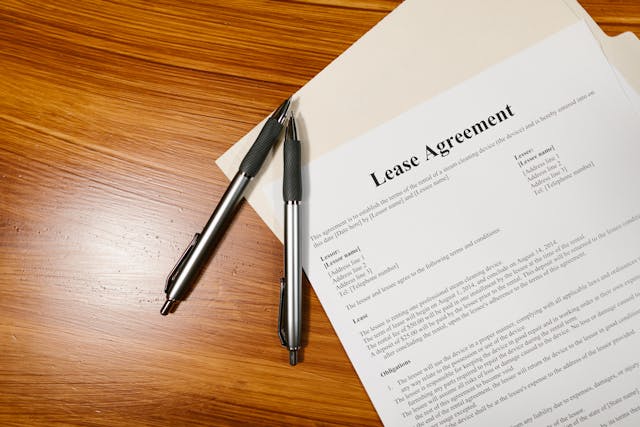
Once you select an applicant, the next priority is creating a clear and complete rental agreement. The lease should explain the financial and practical terms of the arrangement, including the monthly rent, payment deadlines, security deposit, lease duration, utility responsibilities, and expectations for property care.
Review the agreement for required disclosures and make sure the information provided reflects current Oregon requirements. A lease should establish expectations without relying on vague language or provisions that conflict with the law.
Before the renter takes possession, document the property's condition carefully. Complete a move-in report and take dated photographs of the home's major areas and existing wear or damage. Give the renter an opportunity to review the documentation and retain copies of the completed records.
This is also a good time to explain how the property operates. Provide keys and clarify how rent should be paid, where maintenance requests should be submitted, and what steps to take during an emergency. A simple welcome guide with contact information and after-hours instructions can make communication easier from the beginning.
Thorough move-in documentation is particularly valuable when the tenancy ends because it provides a reference point for evaluating the property's condition and any potential security deposit deductions.
Stage Four: Manage the Property Throughout the Tenancy
A landlord's legal responsibilities do not end once the lease is signed. Ongoing communication, maintenance, rent collection, and property access must all be handled in accordance with the lease and applicable law.
Respond to repair requests in a timely manner and maintain a record of reported issues, work completed, and communication with the renter. Keeping an organized maintenance history can help you track recurring problems and demonstrate how concerns were addressed.
Property access also requires attention. Do not enter the home or change its locks unless permitted by the rental agreement and applicable law. When advance notice is required, provide it within the proper timeframe and follow the rules governing entry.
Rent collection should be consistent and well documented. Maintain accurate payment records, provide receipts when required, and only assess late fees when permitted by the lease and Oregon law. Before changing rental rates or other tenancy terms, review the current requirements for rent increases and required notices.
You may also encounter requests that fall outside the original lease terms, such as a request to keep a pet or make an exception to a property rule.

Establish a consistent process for reviewing these situations, evaluate each request appropriately, and document important decisions in writing.
Stage Five: Follow the Correct Procedures When Delivering Notices
Notices are one of the more technical aspects of managing a rental property. The requirements depend on the reason for the notice, and mistakes involving its wording, timing, or delivery can create significant complications.
Landlords may need to provide notices concerning unpaid rent, lease violations, property entry, rent adjustments, or the termination of a tenancy. Each situation can involve different legal requirements, so it is important to identify the correct procedure before taking action.
Avoid relying on old templates or informal advice from other property owners. Confirm that the notice reflects current Oregon law, contains the required information, and is delivered using an authorized method. Keep a copy of the notice along with documentation showing when and how it was delivered.
If a tenancy may end through an eviction, follow the applicable legal process rather than attempting to resolve the situation independently. Lockouts, utility shutoffs, and other self-help measures can expose property owners to serious legal consequences. Consult a qualified attorney before taking action that could result in an eviction or other significant dispute.
Stage Six: Complete Move-Out Procedures and Handle the Security Deposit
The final stage of a tenancy requires careful attention to the property's condition and the handling of the security deposit. Oregon law establishes requirements for returning deposits and providing a written accounting of any deductions.
Conduct a move-out inspection and compare the property's condition with the original move-in report and photographs.

Document any differences with dated pictures and written notes. If you identify damage, distinguish it from ordinary wear and tear before determining whether a deduction is appropriate.
Only deduct amounts that are permitted by the lease and applicable law. Keep supporting records, such as receipts, invoices, and repair estimates, for any allowable charges. Once the accounting is complete, send the required documentation and remaining deposit within the legally required timeframe and through an appropriate delivery method.
Organized records from the beginning of the tenancy make this process easier and help support any deductions that may be questioned later.
Bottom Line
Landlord compliance is easier to manage when you approach it as an ongoing responsibility rather than something to address only when a problem occurs. Screening applicants consistently, maintaining a clear lease, documenting inspections, responding to repairs, and handling security deposits carefully all contribute to a more organized rental operation.
For property owners in Redmond and throughout Central Oregon, keeping up with these responsibilities can take considerable time and attention. Contact Arise Real Estate Management today to discuss your property and learn how we can help you manage your investment with greater confidence.
Frequently Asked Questions About Oregon Landlord Compliance
What Should Oregon Landlords Review Before Renting Out a Property?
Before listing a rental, owners should confirm that the home is safe and in good repair, review any applicable association or insurance requirements, and determine whether local registration or inspection rules apply.
It is also important to prepare a lease that reflects current Oregon law and establish written applicant screening criteria.
How Can Landlords Make Their Tenant Screening Process More Consistent?
We recommend establishing written screening criteria before advertising the property and applying those standards consistently to every applicant.
Owners should also maintain records of applications and decisions, provide required screening disclosures, and follow applicable rules when using consumer reports.
Why Is a Move-In Inspection Important for Rental Property Owners?
A detailed move-in inspection creates a record of the property's original condition.
Dated photographs and a written condition report can help owners evaluate changes at move-out and determine whether any potential security deposit deductions are appropriate under Oregon law.
What Should Landlords Do Before Sending a Notice to a Renter?
Landlords should first identify the reason for the notice and verify the current legal requirements for its wording, timing, and delivery. We recommend avoiding outdated templates, keeping a copy of every notice, and documenting when and how it was delivered.
For notices involving possible eviction, owners should consult a qualified attorney.
How Can Professional Property Management Help With Landlord Compliance?
Professional property management can help owners stay organized by coordinating important rental activities, maintaining property records, overseeing communication, and helping manage the different stages of a tenancy.
At Arise Real Estate Management, we encourage owners to understand their legal responsibilities and seek qualified legal guidance when a situation requires it.