


Key Takeaways
Price your Central Oregon rental according to current local market conditions while considering the property's condition, amenities, location, and overall value.
Prompt maintenance, clear communication, and a professional leasing and renewal process can help create a rental experience that encourages longer tenancies.
Retaining tenants requires consistent management after move-in, including timely repairs, transparent rent changes, and attention to the property's long-term functionality.
Keeping a good tenant in place can reduce vacancy, turnover costs, leasing work, and unnecessary wear on a rental property. For landlords in Central Oregon, attracting residents who intend to stay requires more than posting a property at an attractive rent.
The condition of the home, leasing experience, communication, maintenance, and overall value all influence how long a tenant stays.
Arise Real Estate Management put together this guide to help rental property owners in Oregon make practical decisions that encourage longer tenancies.
8 Tips for Attracting Long-Term Tenants to Your Rental Property
1. Price the Rental Based on Current Market Conditions
Long-term tenants usually want predictable housing costs. That starts with setting rent at a defensible market rate.
Overpricing a property can extend vacancy and attract applicants who may leave quickly once they find a better value. Underpricing may fill the home quickly, but it can leave income on the table and make future adjustments more difficult.
Look at comparable rentals with similar square footage, bedroom count, condition, parking, outdoor space, pet policies, and amenities. A three-bedroom home with a fenced yard and garage should not be evaluated against a basic apartment simply because both have three bedrooms.
Central Oregon also has meaningful differences between communities. A rental in Bend may appeal to a different tenant pool than one in Madras, Prineville, or LaPine. Local pricing should reflect those differences rather than relying on broad rental market averages.
2. Make the Property Easy to Live In
Tenants who plan to stay several years generally care about functionality as much as appearance.
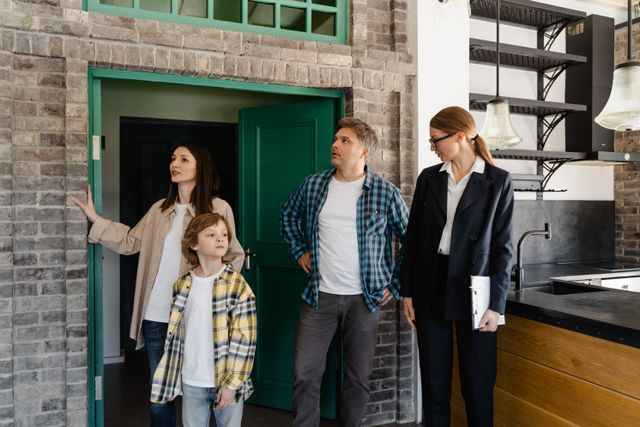
Before advertising a vacancy, address deferred maintenance, worn flooring, unreliable appliances, poor lighting, damaged fixtures, and other recurring problems. You do not need to renovate every room. Instead, spend money where it improves daily living or prevents future repair costs.
Climate also matters in Central Oregon. Reliable heating, weather-resistant exterior components, functional windows, plumbing that can handle seasonal conditions, and adequate insulation are practical concerns for residents dealing with cold winters and significant temperature swings.
A clean, well-maintained home signals that the owner intends to care for the property throughout the tenancy.
3. Make the Leasing Process Professional and Consistent
The tenant's experience begins before move-in.
Responding promptly to inquiries, providing accurate property information, scheduling showings efficiently, and communicating clear rental criteria can make a significant difference. Applicants who experience confusion or prolonged delays may move on to another property.
Screening should follow written, consistently applied criteria. Income, rental history, credit information, and other screening factors should be evaluated according to applicable requirements rather than personal impressions.
Oregon landlords also need to account for state and federal housing rules when establishing and applying rental criteria.
A professional process helps owners find qualified residents while reducing the risk of inconsistent treatment during leasing.
4. Offer a Home That Supports Long-Term Living
A tenant may accept a rental because it is available. They stay because it continues to work for their household.
Consider the features that affect day-to-day use. Adequate storage, functional appliances, reliable internet access, parking, outdoor space, laundry facilities, and reasonable pet policies can all influence a tenant's decision to renew.
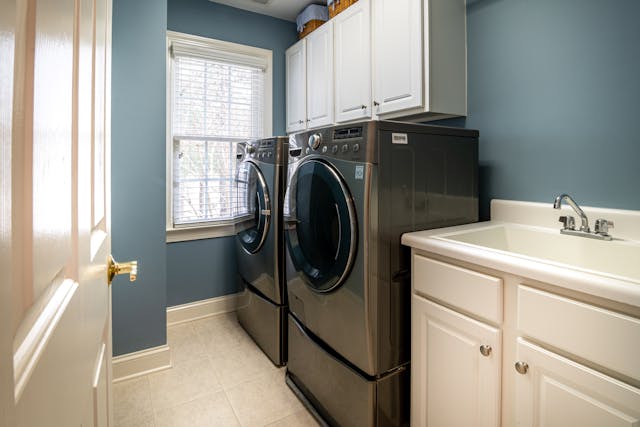
For example, a landlord with a single-family rental in Redmond might find that a secure yard and garage are particularly valuable to prospective residents. In Sunriver, outdoor storage or property features suited to recreational equipment may affect perceived value.
The right improvements depend on the property and its likely tenant base.
The goal is not to add amenities simply because another rental has them. Improvements should solve real problems for the residents you want to retain.
5. Respond to Maintenance Issues Before They Become Frustrations
Maintenance is one of the clearest signals tenants receive about how an owner manages a property.
A minor plumbing problem that is addressed quickly may be forgotten. The same issue that remains unresolved for weeks can become a reason to move.
Establish a process for receiving maintenance requests, determining urgency, dispatching qualified vendors, documenting completed work, and following up with the resident.
Preventive and seasonal maintenance is equally valuable. Seasonal inspections can identify developing problems before they become expensive repairs or major disruptions.
Oregon rental housing is subject to habitability requirements involving health and safety. Smoke and carbon monoxide alarm requirements also apply to rental properties, with specific responsibilities for owners and tenants.
Landlords should consult qualified legal or housing professionals regarding their specific obligations.
6. Communicate Clearly About Renewals and Rent Changes
Good tenants should not have to guess what will happen when their lease approaches expiration.
Start the renewal conversation early enough to give both sides time to make an informed decision. If rent will change, explain the new rate clearly and provide the required notice. Avoid treating a renewal as an opportunity to make a dramatic adjustment simply because the tenant has already invested time and effort into the home.

Oregon's rent regulations impose limits and notice requirements that landlords need to understand. For 2026, the state's published maximum annual rent increase for tenancies subject to the applicable statewide cap is 9.5%, although exemptions and different rules can apply depending on the property and tenancy.
For situation-specific questions, landlords should consult an Oregon housing attorney or other qualified professional.
7. Give Good Tenants a Reason to Renew
Retention starts with recognizing what residents value.
A responsive management process, clean common areas where applicable, prompt repairs, accurate billing, and respectful communication can influence a tenant's decision to remain. Small improvements can matter as well.
Replacing an aging appliance, improving exterior lighting, or addressing a recurring maintenance issue may be worthwhile when the alternative is another turnover.
Owners should also look at the economics of retention. A vacancy can involve lost rent, cleaning, repairs, marketing, showings, screening, and leasing costs. A modest investment in maintaining a good tenancy may be financially preferable to repeatedly preparing the property for new occupants.
8. Use Professional Management to Make Retention Consistent
Long-term tenant retention depends heavily on consistent execution. That can become difficult for owners managing properties from another city, working full-time, or overseeing several rentals.
A professional property management team can handle leasing, tenant communication, maintenance coordination, inspections, rent collection, renewal processes, and documentation as part of an established operating system. That consistency can help owners address problems earlier and provide residents with a more dependable rental experience.
For owners with properties spread across Central Oregon, having local management support can also make routine property oversight more practical.
Bottom Line
Attracting long-term tenants starts with offering a property that is appropriately priced, well maintained, functional, and professionally managed. Retention then depends on what happens after move-in: timely maintenance, clear communication, fair and compliant renewal practices, and consistent attention to the resident's experience.
For landlords in Bend, Redmond, Madras, Prineville, LaPine, Sisters, and Sunriver, the best retention strategy is usually straightforward: provide good housing, manage it responsibly, and make staying a sensible choice for the tenant.
Arise Real Estate Management helps Central Oregon property owners manage the leasing, maintenance, communication, and day-to-day responsibilities that support stable tenancies.
If you would like to evaluate your rental's current management approach or discuss professional property management, contact Arise Real Estate Management to learn how its services may fit your property.
Frequently Asked Questions About How to Attract Long-Term Tenants
What Rental Features Can Help Encourage Longer Tenancies?
Features that make a rental comfortable and functional can contribute to tenant satisfaction over time. Depending on the property, useful features may include adequate storage, reliable appliances, parking, laundry facilities, outdoor space, and dependable heating and cooling.
Owners should focus on improvements that provide meaningful everyday value rather than adding amenities simply because competing properties offer them.
How Can Landlords Reduce Turnover Costs?
Landlords can potentially reduce turnover expenses by addressing maintenance issues promptly, communicating clearly with tenants, and keeping the property in good condition throughout the tenancy.
When a resident moves out, owners may face costs associated with cleaning, repairs, marketing, showings, screening, and preparing the property for a new occupant, in addition to potential lost rental income. Reviewing these costs alongside the expenses of maintaining an existing tenancy can help owners determine where property improvements may make financial sense.
When Should Landlords Discuss Lease Renewals With Tenants?
Owners should allow sufficient time to communicate renewal terms before the existing lease expires. The appropriate timing depends on the lease agreement, applicable Oregon requirements, and the circumstances of the tenancy.
If the rent or other terms will change, landlords should provide any notices required by law and clearly communicate the proposed terms. Planning ahead also gives owners time to evaluate current market conditions, property expenses, and the financial implications of turnover.
Can Professional Property Management Help With Tenant Retention?
Professional property management can help owners maintain consistency across the responsibilities that influence the rental experience. A management company may handle leasing, rent collection, maintenance coordination, resident communication, inspections, renewals, and documentation.
This can be particularly useful for owners who live outside Central Oregon, have multiple properties, or have limited time for day-to-day management. Owners should review the management agreement carefully and confirm which services are included, how communication is handled, and what additional fees may apply.